Robotics engineer and founder

Inventing physical AI
and robotic systems.

I design, build, test, and deploy robots, from complex mechanisms through software and autonomy. Programs have included NASA docking and in‑space assembly hardware, semi‑autonomous construction layout at Rugged Robotics, and robotic makeup application at Overlay.

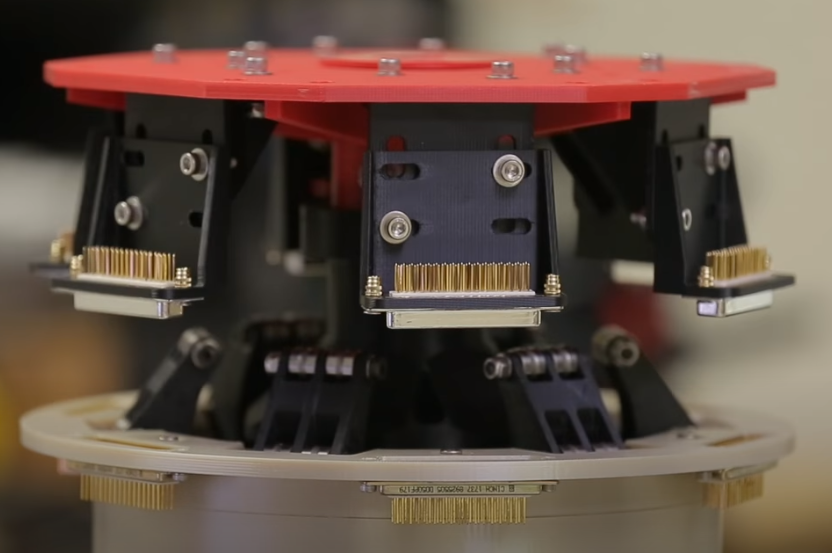
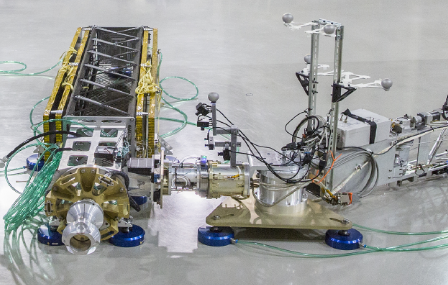
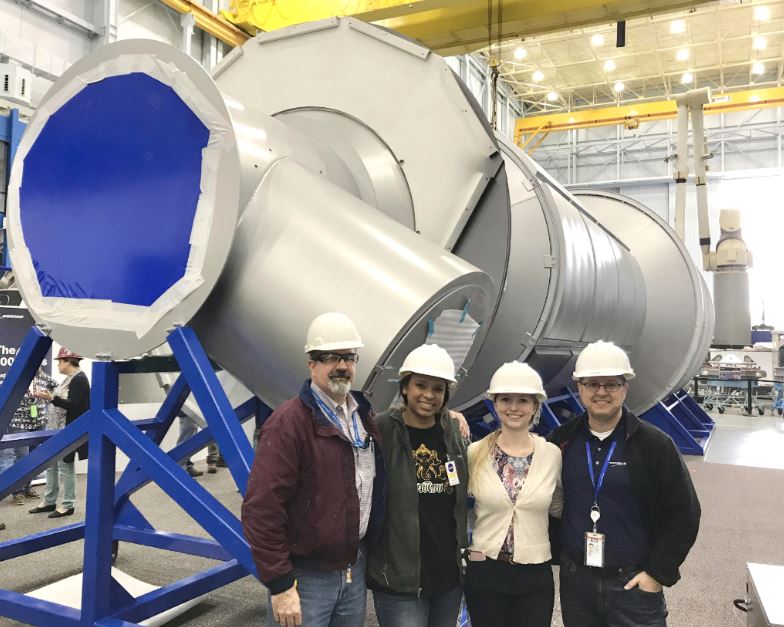
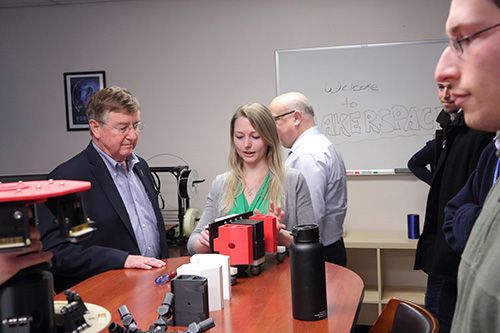
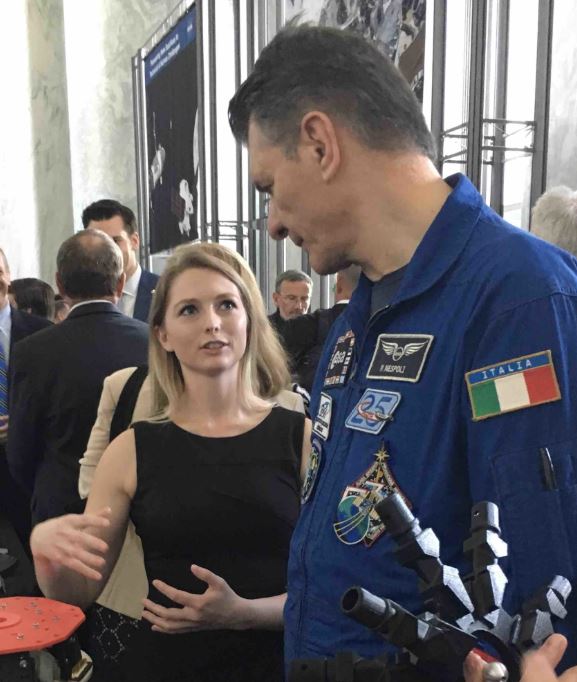
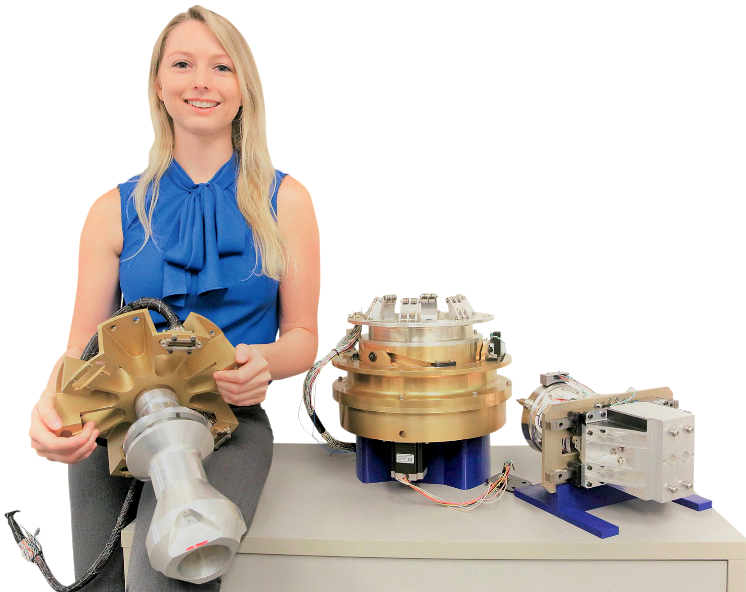
Megan Smith with robotic mechanisms designed for NASA's CIRAS in-space assembly program
CIRAS, NASA / Northrop Grumman

Selected work

01

Overlay

Co-Founder and CTO, 2024-2025, Oakland

As co-founder and CTO at Overlay, I invented a robot that applies makeup on a variety of human faces.

I developed and filed a patent on the end-to-end system including mechanical design incorporating actuators and sensors, and wrote the perception that tracks the face while the robot is moving. We raised VC and hired a team to take the system to production.


  • Computer vision
  • Motion control
  • Mechanism design
  • Embedded systems
  • Patent
Overlay computer-vision overlay tracking an eye and makeup look in real time
Close-up of a precision makeup result of the kind Overlay's robot is built to apply

Stills and video from the Overlay site.
02

Rugged Robotics

Lead Mechanical Engineer, first full-time hire, 2019-2021, Houston

Rugged hired me as the first full-time engineer. There were four of us, seed stage, in Houston. The robot takes a BIM model and prints walls, doors, MEP, and finish lines on the concrete, so the trades are not each snapping their own chalk lines.

I designed and built the drive, then set up an OptiTrack system so we could measure whether it was actually hitting the line. The chassis was sheet metal. I also wrote a Flutter app to communicate with the robot through ROS. From a tablet you could run the robot and see what it was doing. Rugged still sells that work as the Mark1 layout service. The plastic shell came later.

  • Holonomic drive
  • ROS and Linux
  • Flutter field app
  • OptiTrack
  • MVP in 3 months
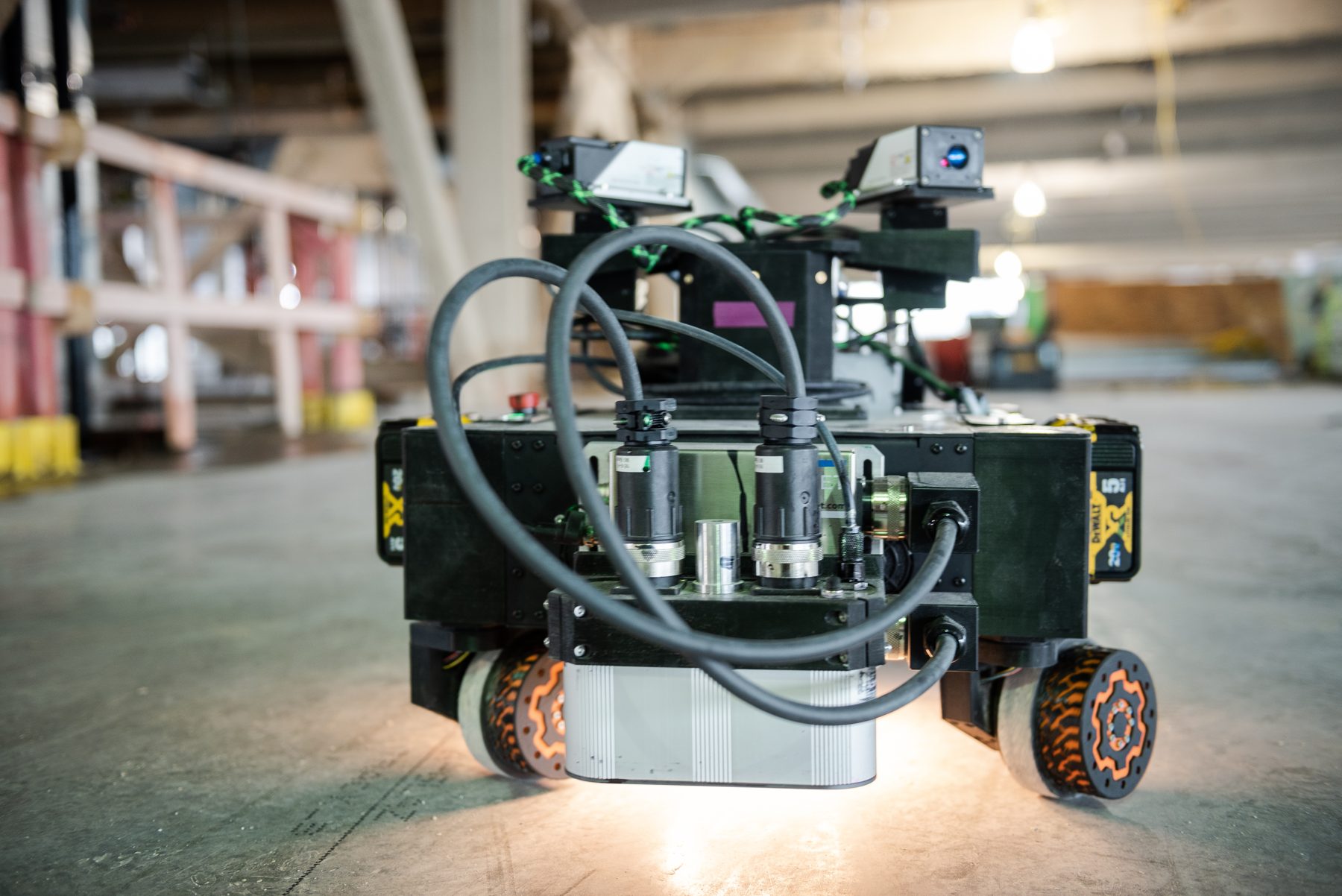
Early Rugged Robotics layout robot with an exposed sheet-metal chassis, mecanum wheels, and sensors
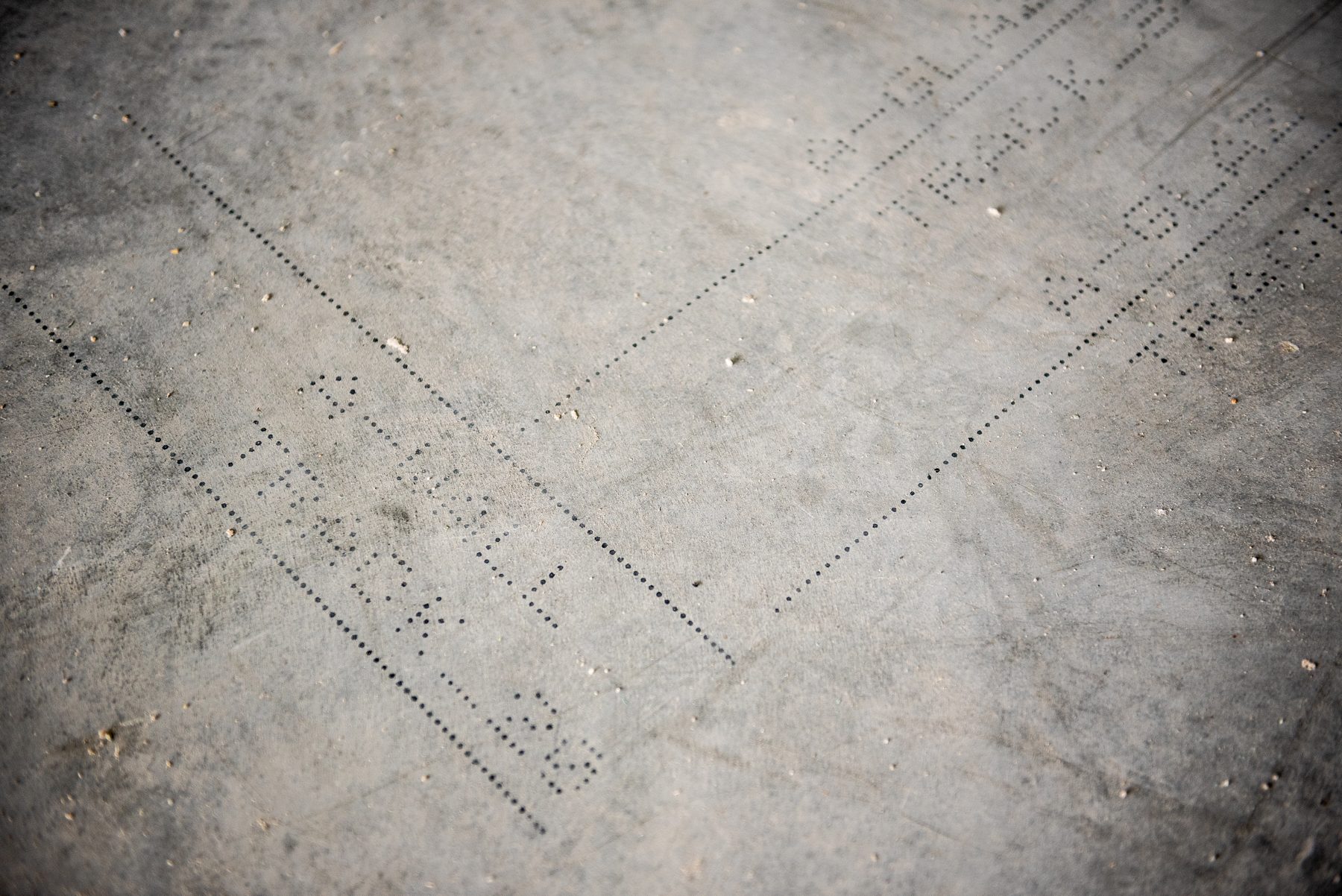
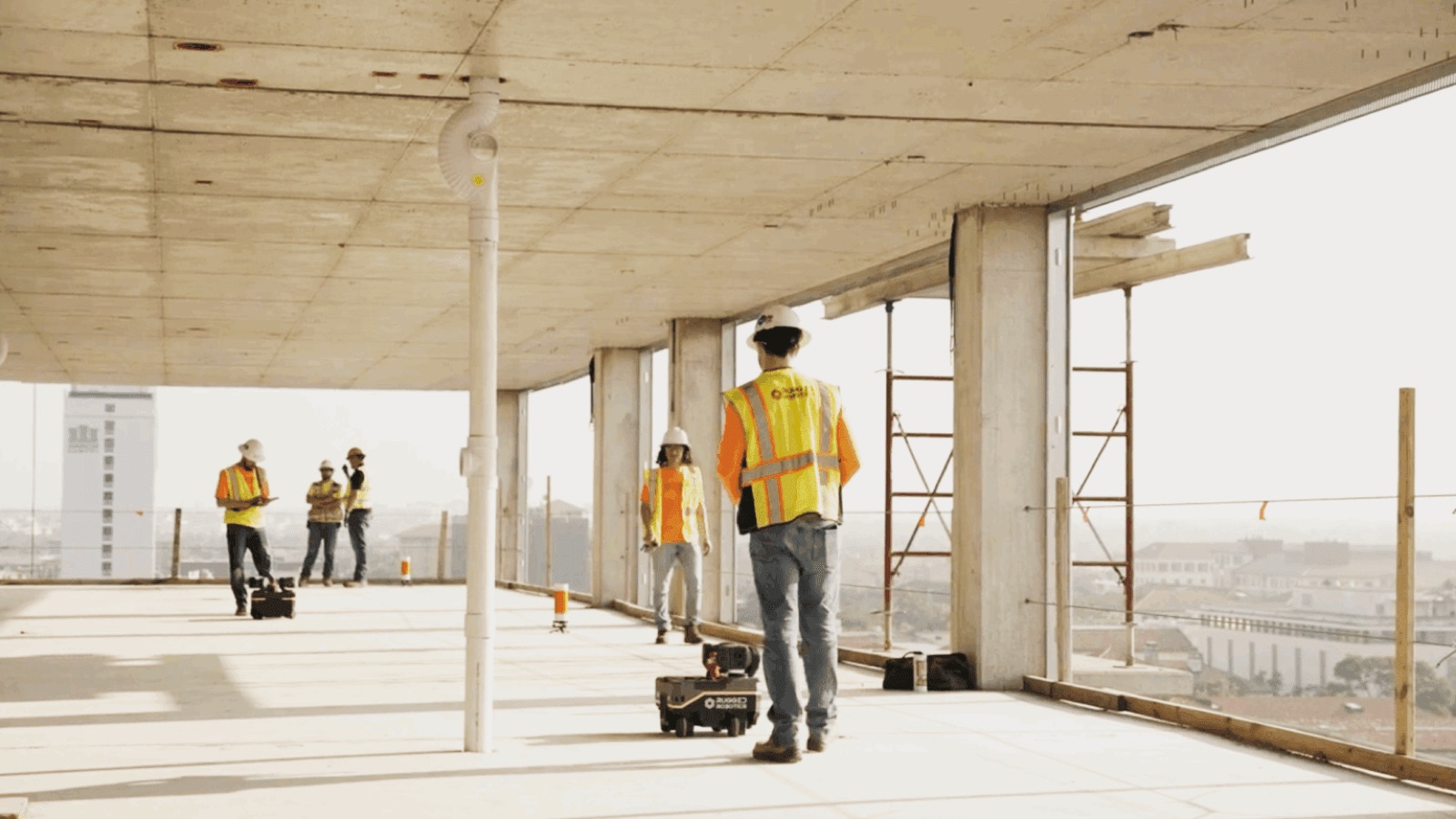
Dot-matrix construction layout printed on concrete by the early Rugged Robotics robot Field crew on a slab with an early Rugged Robotics layout robot
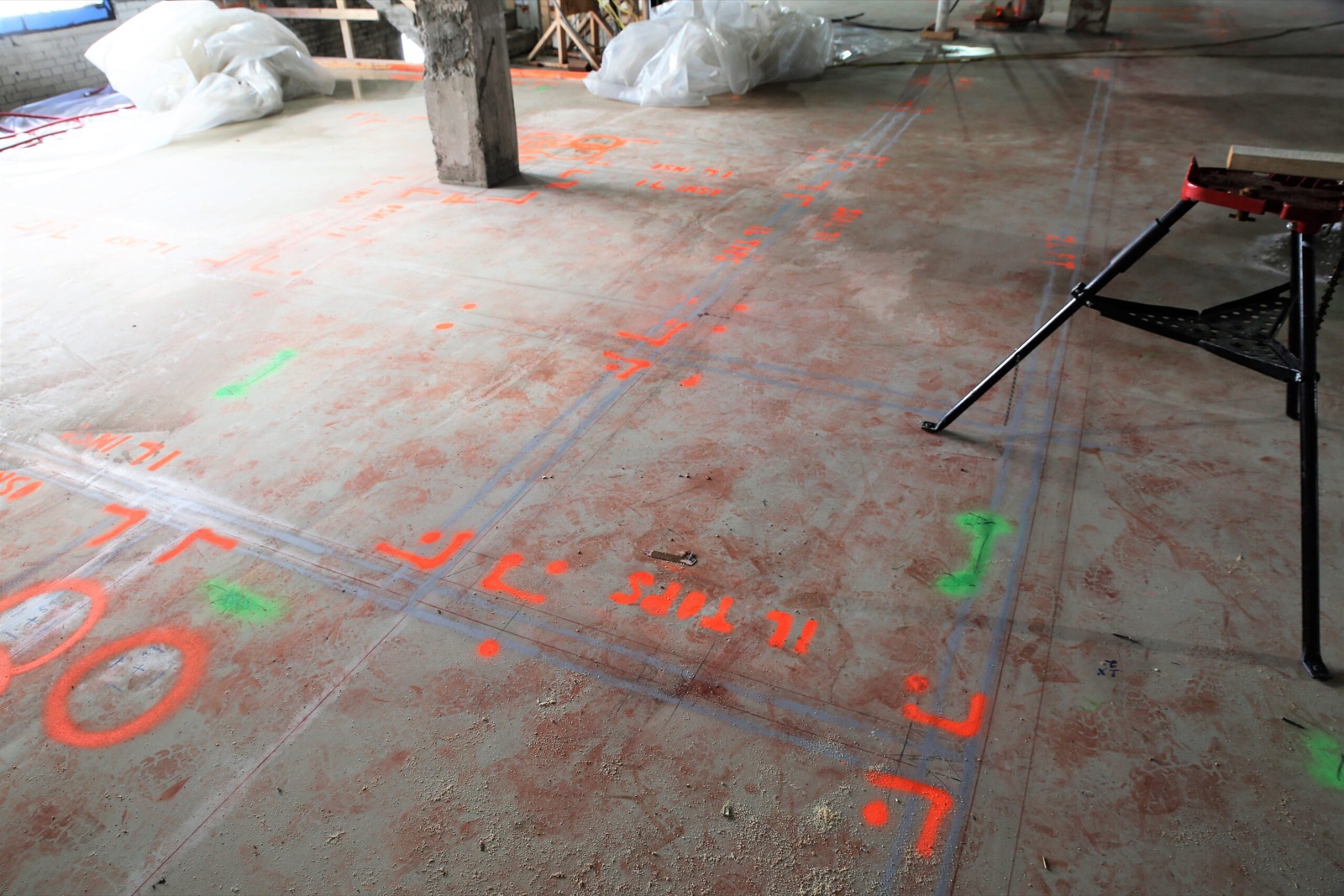
Later multi-trade layout lines and symbols printed on a concrete slab

The sheet-metal chassis from the first robots, before the plastic shell, and the dot layout it printed. Photos from Rugged Robotics, 2021. The video is a later robot.

Experience

Where I have worked.

Founder

Independent robotics and AI lab

My own lab. We build custom robots and the software that runs them. Some of it is for NASA technology transfer and U.S. Space Force programs.

Robotics Advisor

ExLabs

I advise ExLabs on a robot that has to find and grab objects in orbit that were not built with a fixture to grab. The work is on a $1.7M U.S. Space Force Orbital Prime contract and a $1.9M TACFI with Space Systems Command.

Co-Founder and CTO

Overlay

  • Mechanical design, embedded software, and the higher-level software for a makeup robot
  • Mechanisms, actuators, sensors, and the motion controller
  • Computer vision running in the control loop, not as a separate demo
  • Filed a patent on the system, raised VC, and hired the team that took it toward production

Lead Mechanical Engineer

Rugged Robotics

  • First full-time hire. Four of us. I designed, built, and tested the first layout robot.
  • Drive mechanisms, and an OptiTrack setup so we could measure the error
  • A Flutter app to communicate with the robot through ROS, from a tablet on site

Mechanical Engineer, Orion docking

Lockheed Martin, NASA Johnson Space Center

I worked on the Orion docking system at NASA Johnson. That covered where the LiDAR and navigation cameras went, titanium capture hardware meant to be printed, and a look at how lightning could get into the docking subsystem on abort or return. I also tested the fluid quick disconnects the way an astronaut would, in a suit.

Mechanical Engineer

Northrop Grumman Innovation Systems

  • Mechanical lead on the NextSTEP-2 habitat mockup at JSC, which later became HALO. About 10 designers.
  • CIRAS mechanisms for putting structure together in orbit. We took them from TRL-2 to TRL-6 in less than a year.
  • Plastic prototypes, machined parts, bench tests, and concept work for proposals

B.S. Mechanical Engineering

Purdue University

I co-founded the Purdue Hyperloop team and was assistant project manager. We had more than 70 students and raised six figures in sponsorships. I also played in marching band and jazz band.

About

Full-stack robotics engineer,
from complex mechanisms through autonomy software.

Based
San Francisco Bay Area
Focus
Physical AI and robots

I studied mechanical engineering at Purdue, then went to work on NASA hardware at Northrop Grumman and Lockheed Martin. At Rugged I was the first full-time engineer, so I wrote the software that ran the robot as well as the mechanism. Overlay came after that. The robot touches a person's face, so the tolerances and the safety work are tighter, but it was still a mechanism, sensors, and control software.

These days I run my own lab. Part of that is still space robotics, including work for the U.S. Space Force. If you are building a robot and want another engineer to look at it, email me.

Contact

Building robots from my own lab.

I am in the Bay Area. Email me if you are working on one.